
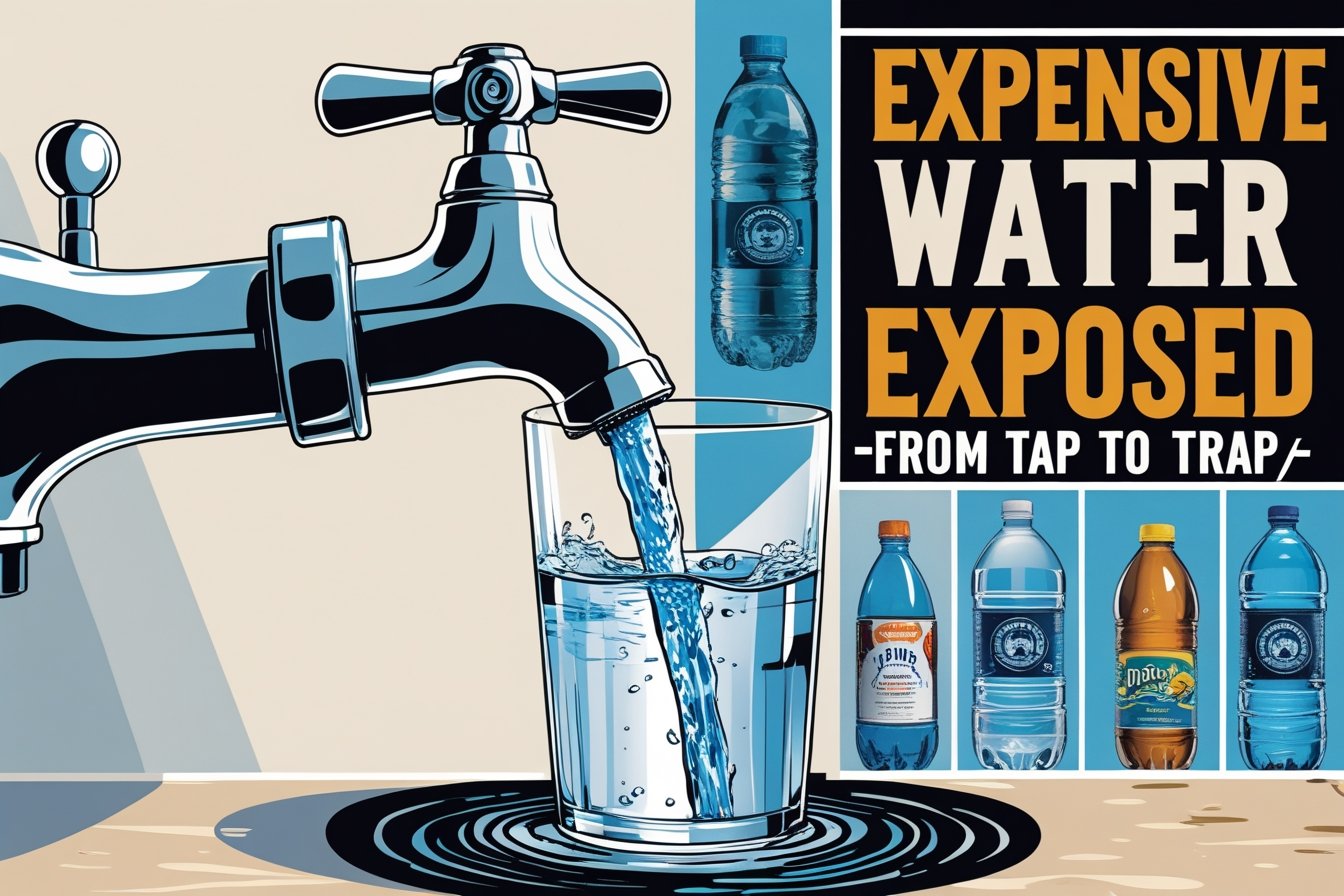
Imagine paying more for a single bottle of water than a night in a budget hotel, yet believing it’s a ticket to purity, prestige, or health. In a world where tap water is regulated and often free, how did bottled water evolve into a multi-billion-dollar luxury market? Let’s unravel the currents carrying us from humble faucets to high-end hydration traps.
How Premium Water Became Priceless:
The rise of premium water brands has transformed a basic necessity into a lifestyle statement. Today, bottles encrusted with crystals or shipped from remote glaciers routinely sell for over $100 each. Consumers pay for perceived rarity, brand cachet, or elaborate packaging, turning simple H₂O into a status symbol.
- Ultra-filtered springs positioned as “pristine”
- Designer bottles doubling as art pieces
- Limited releases tied to exotic sources
Yet behind glossy labels lies a goldmine: margins on luxury bottled water can soar above 1,000%, making it one of the most lucrative segments in the beverage industry.
The Science of “Superior” H₂O:
Not all water treatment is created equal. High-end brands tout multi-stage filtration, UV sterilization, and trace mineral enrichment. These processes can include:
- Reverse osmosis followed by activated carbon polishing
- UV or ozone treatments for microbial control
- Mineral infusions marketed as “electrolyte balance”
Despite these innovations, most municipal tap water already meets stringent safety standards. The added purification steps often contribute negligible health benefits but substantial production costs, costs that ultimately land on the consumer’s bill.
Marketing Tactics That Sell Water as Gold:
Luxury water companies have mastered the art of persuasion. By weaving narratives around mythical springs and time-honored rituals, they shift focus from basic hydration to an exclusive experience. Key tactics include:
- Story-driven labeling: Emphasizing ancient wells or mountaintop glaciers
- Celebrity endorsements: Aligning bottled water with A-list lifestyles
- Limited editions: Creating artificial scarcity to drive urgency
These strategies obscure the simple truth: at its core, water is the same molecule, whether it flows from your tap or arrives in a bespoke glass carafe.
From Source to Shelf:
The journey of bottled water involves more than filling and sealing. Behind every “pure” label lies an intricate logistics network:
- Source selection and spring rights acquisition
- On-site treatment and bottling facilities
- Long-haul transport, often in refrigerated trucks
- Warehousing and retail distribution
Each stage racks up costs, energy, labor, packaging, and carbon emissions. In many cases, transporting bottled water thousands of miles consumes more resources than treating municipal tap water for a city.
Tap Water’s Untold Advantage:
While luxury bottled water commands eye-watering prices, public tap water systems offer ready cleanliness at a fraction of the cost. Consider:
- Most urban tap supplies adhere to federal and international safety thresholds.
- Municipal systems use sophisticated treatments, coagulation, filtration, and chlorination, which rival many bottled processes.
- Annual average cost per gallon of tap water often falls below $0.005, compared to $2–$10 for premium brands.
Choosing tap water isn’t just economical; it often delivers equal or superior safety compared to mid-range bottled options.
The Trap of Convenience:
The allure of grab-and-go bottled water comes at an environmental price. Single-use plastic bottles contribute to:
- Millions of tons of plastic waste in landfills and oceans
- Energy-intensive recycling processes with low recovery rates
- Microplastic contamination that cycles back into our drinking supplies
What feels like a quick sip can trap future generations in a plastic crisis, proving that convenience sometimes costs far more than money.
Budget-Friendly Alternatives:
Escaping the bottled water trap doesn’t require sacrificing purity or flavor. Consider these eco-smart and wallet-smart options:
- Home filtration units: Activated carbon or reverse-osmosis pitchers
- Reusable bottles: Stainless steel or glass containers cut plastic waste
- Public refill stations: Many cities and parks now host filtered water taps
- Bulk jugs: Larger bottles reduce per-liter costs and packaging
By investing once in quality filters or reusable containers, you unlock ongoing savings and curb environmental impact.
Innovations in Hydration:
The world of water is shifting toward smarter, cleaner solutions:
- Smart dispensers that track consumption and self-sanitize
- Biodegradable bottles made from plant-based polymers
- Decentralized purification systems offering on-demand spring-like water
- Blockchain-verified sources to guarantee authenticity
Such advances may finally align the purity narrative with genuine value, freeing us from both overpaying and over polluting.
Conclusion:
Exposing the journey “From Tap to Trap” reveals how expensive water blends science, marketing, and logistics to justify sky-high prices. Yet for most of us, dependable, regulated tap water delivers safe hydration at pennies per gallon. By recognizing luxury water for what it often is, a crafted image rather than a necessity, we can make choices that nourish both our bodies and the planet.
FAQs:
1. Is premium bottled water healthier than tap water?
No. Most municipal tap water meets strict safety standards and often undergoes treatments equal to or exceeding many bottled water processes.
2. Why do some bottled waters cost over $100?
High prices stem from exclusive sourcing rights, elaborate purification, designer packaging, and luxury branding strategies.
3. Does expensive water taste better?
Taste differences are subjective. Factors like mineral content and temperature matter more than price or label.
4. How harmful is single-use plastic waste?
Millions of tonnes of plastic end up in landfills and oceans yearly, releasing microplastics and harming ecosystems.
5. Can I get filtered water without buying bottles?
Yes. Home filtration pitchers, faucet attachments, and public refill stations offer clean water affordably and sustainably.
6. What’s the future of eco-friendly water packaging?
Innovations include plant-based biodegradable bottles, smart dispensers, and blockchain-verified purity sources.