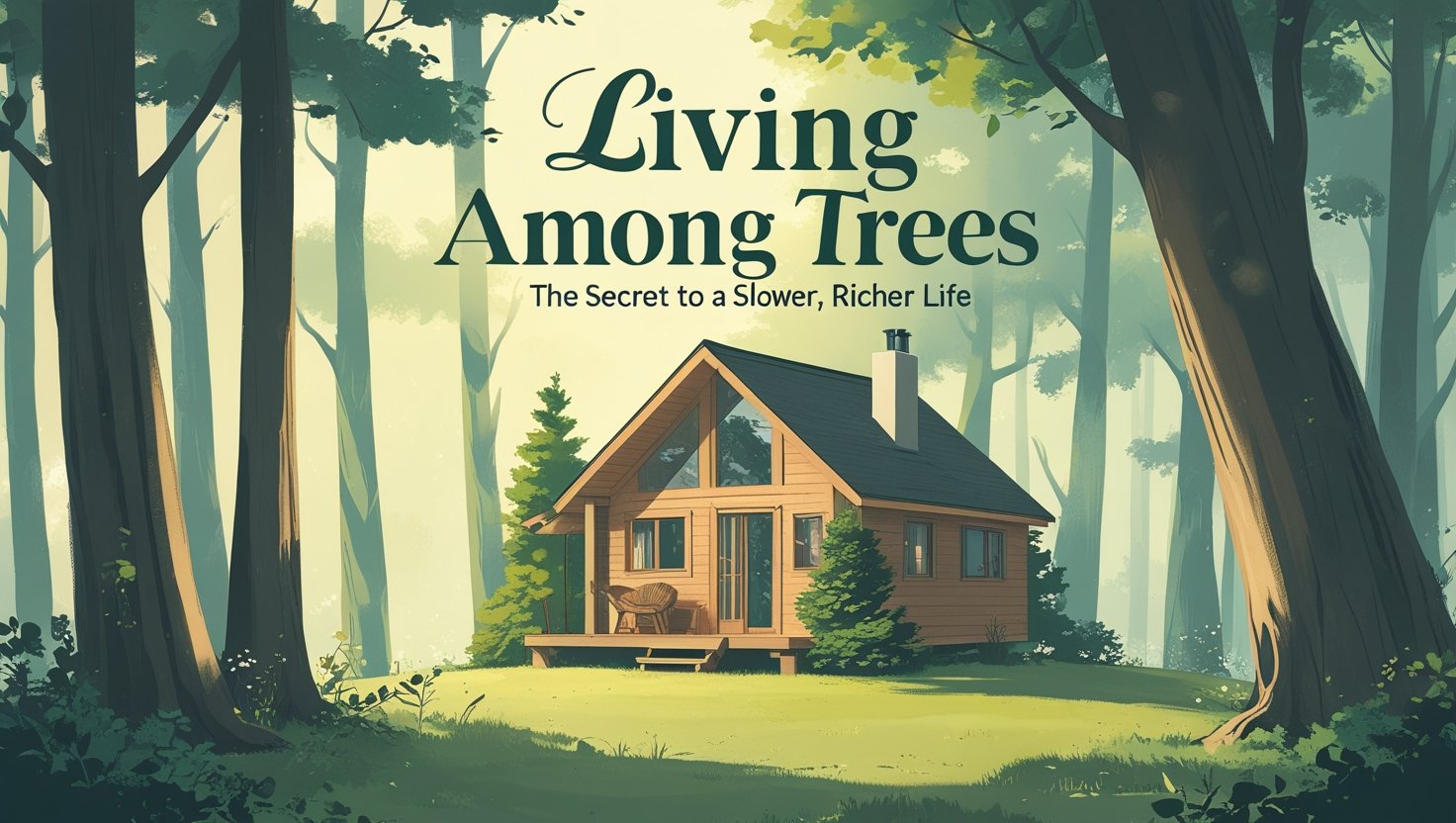
What if the answer to our frantic, always-connected world was literally growing all around us? Living among trees isn’t just about choosing a scenic address, it’s about discovering a slower, richer life that modern society desperately needs.
When Branches Become Your Daily Companions:
Tree-centered living transforms ordinary routines into meaningful experiences. Instead of rushing past concrete walls, you wake to rustling leaves and bird conversations. Your morning coffee becomes a meditation as you watch sunlight filter through canopies, creating ever-changing patterns on your breakfast table.
This isn’t about retreating from civilization, it’s about finding balance. People who choose homes surrounded by trees report feeling more grounded, literally and figuratively. The constant presence of these natural giants provides a steady reminder that life operates on different timescales than our urgent emails and instant notifications.
The Physiological Magic Behind Forest Proximity:
Living near trees triggers fascinating changes in our bodies. Research reveals that forest environments release compounds called phytoncides, which boost our immune systems and reduce stress hormones. When you spend time among trees, your cortisol levels drop naturally, creating a biological foundation for that slower pace of life many people crave.
Your nervous system responds to tree-rich environments by shifting into parasympathetic mode, the rest-and-digest state that promotes healing and creativity. This isn’t wishful thinking; it’s measurable science. Blood pressure decreases, heart rate variability improves, and inflammatory markers reduce when people regularly interact with forested spaces.
Economic Wisdom Hidden in Nature’s Investment Strategy:
Trees operate on investment principles that put Wall Street to shame. They grow slowly, compound their value over decades, and create wealth that benefits entire ecosystems. Living among trees teaches similar financial wisdom through daily observation.
Consider these natural economic lessons:
- Patient capital growth: Trees don’t rush their development, showing us the power of long-term thinking
- Diversified portfolios: Forest ecosystems spread risk across multiple species and relationships
- Compound interest: Each year’s growth builds on previous investments, creating exponential value
- Sustainable dividends: Trees provide ongoing benefits without depleting their principal value
People who embrace tree-surrounded living often find themselves naturally adopting these principles in their personal finances, leading to greater financial stability and reduced money-related stress.
Rewiring Social Connections Through Shared Canopies:
Communities built around trees foster different types of relationships. Instead of competing for status symbols, neighbors bond over seasonal changes, storm cleanup, and shared appreciation for natural beauty. Living among trees creates common ground that transcends typical social divisions.
Children growing up in tree-rich environments develop enhanced creativity and problem-solving skills. They learn patience by watching growth happen slowly, resilience by observing trees weather storms, and interconnectedness by seeing how forest ecosystems support each other. These lessons become foundational life skills that serve them well beyond childhood.
The social benefits extend to adult relationships, too. Tree-centered communities report higher levels of neighborly cooperation, reduced crime rates, and stronger social cohesion. When your living space is defined by natural rather than artificial boundaries, human connections tend to flow more organically.
Seasonal Rhythms as Life’s Natural Scheduler:
Living among trees means your calendar syncs with nature’s calendar. Spring brings budding energy perfect for new projects, summer provides abundant growth periods, autumn teaches letting go and preparation, while winter offers rest and reflection opportunities.
This seasonal awareness naturally creates a slower, richer life because you stop fighting natural rhythms and start working with them. Instead of maintaining the same pace year-round, you learn to cycle between periods of intense activity and restful recovery, matching the trees that surround you.
People who align their lives with forest rhythms report better sleep, improved mental health, and more sustainable productivity. They work intensively during their natural high-energy seasons and rest deeply during low-energy periods, avoiding the burnout that comes from ignoring biological cycles.
Creating Wealth Beyond Currency Through Tree Time:
Living among trees redefines wealth beyond monetary measures. True richness includes clean air, natural beauty, peaceful sounds, and the deep satisfaction of being part of something larger than yourself. Trees provide all these benefits freely, asking only for respect and basic care in return.
This expanded definition of wealth reduces financial pressure and increases life satisfaction. When your daily environment provides natural stress relief, entertainment, and beauty, you need fewer expensive substitutes. Tree-surrounded living often leads to a lower cost of living combined with a higher quality of life, the ultimate economic efficiency.
The slower pace that comes with forest living also creates time wealth. Without constant urban stimulation demanding your attention, you naturally move at more sustainable speeds. This allows for deeper thinking, better decision-making, and more meaningful relationships, all forms of wealth that compound over time.
Practical Pathways to Your Tree-Rich Future:
Making the transition to living among trees doesn’t require abandoning modern conveniences. Many people successfully combine forest proximity with career demands through strategic location choices, remote work arrangements, and intentional lifestyle design.
Start by evaluating your current relationship with trees:
- How much time do you spend in natural environments weekly?
- What barriers prevent you from living closer to forests?
- Which aspects of tree-centered living appeal most to you?
- How could you incorporate more forest time into your current situation?
Even urban dwellers can begin experiencing tree benefits through regular park visits, balcony gardens, or weekend forest retreats. The key is consistency, regular tree exposure provides cumulative benefits that occasional visits cannot match.
Technology Balance in Nature’s Office:
Living among trees offers a unique solution to technology overwhelm. Instead of completely disconnecting, you learn to use technology as a tool while trees provide your primary operating system. The natural world becomes your default environment, with digital tools serving specific purposes rather than dominating your attention.
Many remote workers discover that forest environments actually enhance their technological effectiveness. The reduced distractions and improved mental clarity that come from tree proximity often lead to higher-quality work completed in less time. Nature provides the focus that open offices and urban environments fragment.
Conclusion:
Living among trees offers a pathway to the slower, richer life that feels increasingly rare in our accelerated world. By choosing forest proximity over urban intensity, you’re not just changing your address, you’re changing your entire life operating system to one that prioritizes sustainable happiness over unsustainable speed.
FAQs:
Q1: How close to trees do I need to live to experience benefits?
A: Even living within sight of trees provides measurable stress reduction and improved well-being.
Q2: Is forest living more expensive than city living?
A: Tree-rich areas often have lower housing costs while providing natural amenities that reduce other expenses.
Q3: Can I work remotely while living among trees?
A: Many forest communities now have excellent internet infrastructure supporting remote work lifestyles.
Q4: What about access to healthcare and services?
A: Most tree-centered communities are within a reasonable distance of essential services while maintaining natural settings.
Q5: Do trees really improve physical health?
A: Research confirms that regular tree exposure boosts immune function, reduces blood pressure, and improves overall health.
Q6: How do I find tree-rich communities to move to?
A: Search for forest communities, eco-villages, or use mapping tools to identify areas with high tree density near amenities you need.